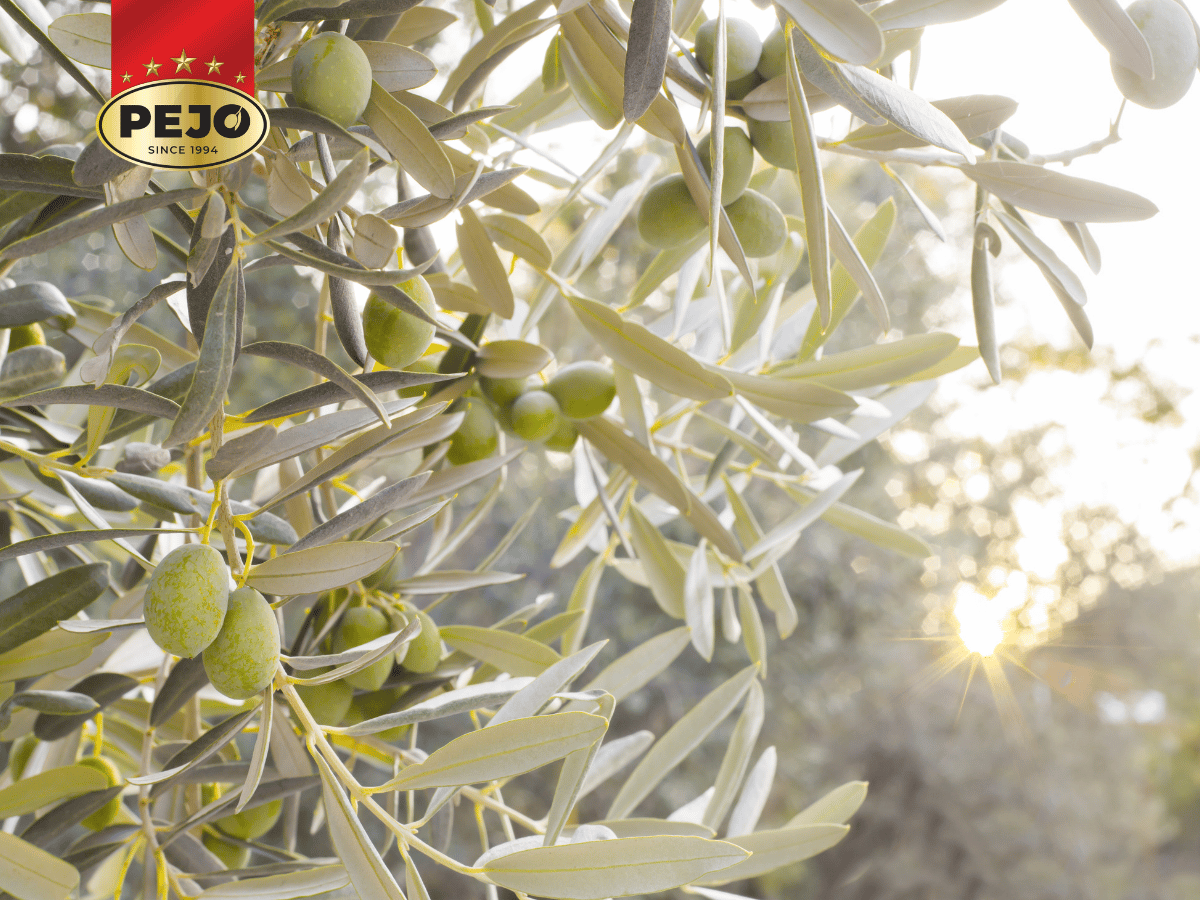
Between the Adriatic and Ionian seas, Albania is home to a long-established olive-growing tradition shaped by its Mediterranean climate, distinctive landscapes, native olive varieties, and generations of agricultural experience.
Although countries such as Italy, Greece, and Spain are more widely recognized in international olive oil markets, Albanian olive oil represents an important part of the Mediterranean’s agricultural and culinary heritage.
From the coastal olive groves of Himara and Vlorë to the agricultural landscapes of Fier, Berat, and central Albania, the country offers diverse growing conditions that contribute to the characteristics of its olive oils.
Today, Albania’s olive oil industry continues to evolve through modern extraction technologies, improved quality management, investment in manufacturing facilities, and increasing participation in international markets.
Understanding the origins, varieties, production methods, and quality characteristics of olive oil from Albania offers a deeper appreciation of this Mediterranean product.
The History of Olive Cultivation in Albania
Olive cultivation has been part of Albania’s agricultural landscape for centuries, with historical evidence connecting the country’s olive-growing traditions to the wider ancient Mediterranean civilization.
Albania’s geographical position along the Adriatic and Ionian coastlines placed it within historical networks of agricultural exchange, maritime trade, and cultural development.
Research into Albania’s agricultural heritage identifies evidence of olive cultivation and processing dating back to antiquity. Over successive generations, olive trees became closely associated with rural livelihoods, traditional cuisine, and local agricultural knowledge.
Olive Oil as Part of Albanian Cultural Identity
For many Albanian families, olive oil has traditionally been more than a cooking ingredient.
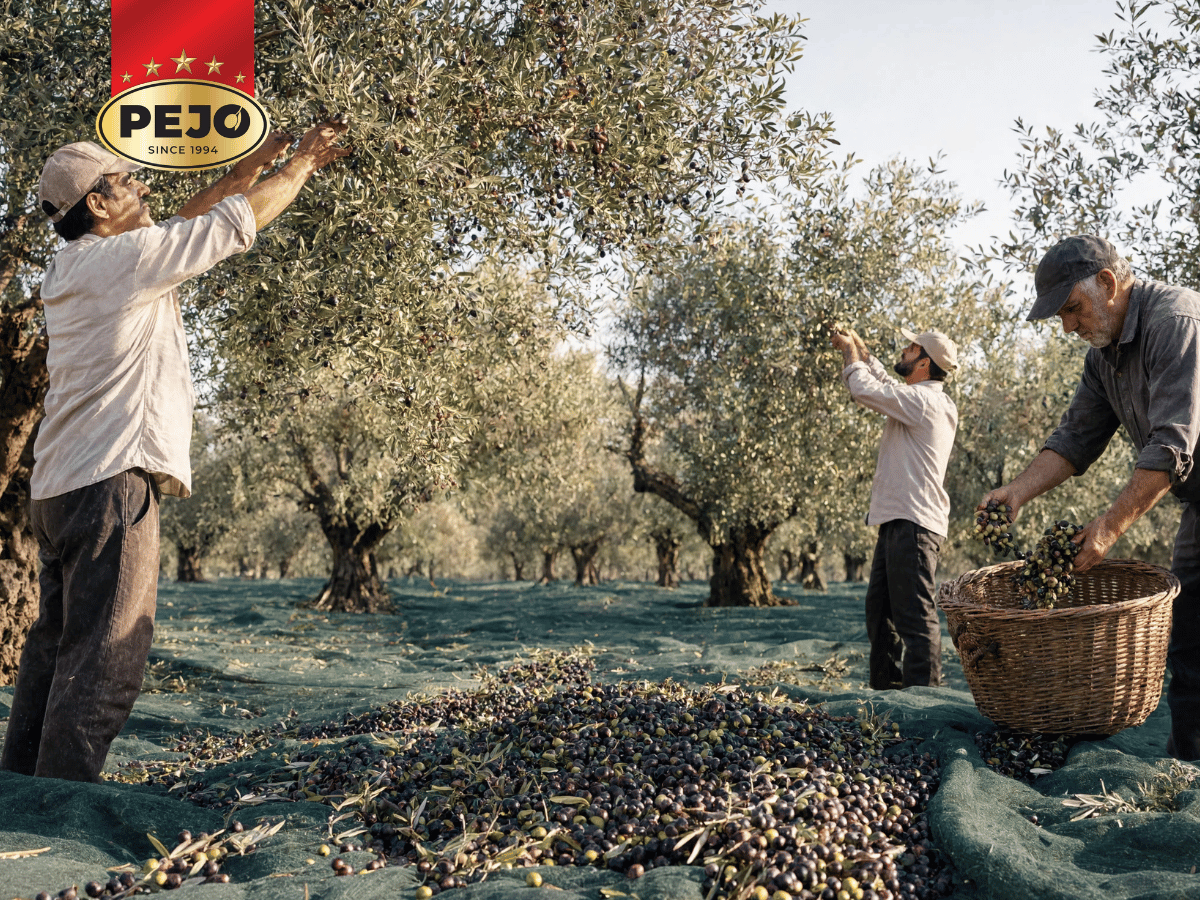
Olive trees have been planted, maintained, and harvested across generations, particularly in coastal communities and agricultural areas of central and southern Albania.
Traditional Albanian cuisine uses olive oil in a variety of preparations, including fresh vegetable salads, beans, grilled fish, roasted vegetables, homemade bread, and regional dishes.
In Mediterranean communities, the olive harvest also represents an important seasonal agricultural activity, connecting families and local producers with the land.
Many established olive-growing areas continue to preserve this relationship between agricultural heritage and everyday life.
From Traditional Agriculture to Modern Manufacturing
While traditional olive cultivation remains important, the Albanian olive oil industry has gradually developed more advanced production and processing capabilities.
Modern extraction equipment, laboratory testing, controlled storage, automated packaging, and improved distribution systems are helping manufacturers respond to changing consumer expectations and international food safety requirements.
This transformation creates opportunities to preserve traditional agricultural knowledge while developing products suited to contemporary retail and commercial markets.
Why Albania’s Mediterranean Climate Is Suitable for Olive Cultivation
Albania’s geographical location provides favorable conditions for olive cultivation, particularly across its western lowlands, coastal regions, and selected inland valleys.
The country experiences considerable geographical diversity, with mountainous areas, coastal plains, river valleys, and hillsides creating different agricultural microclimates.
Warm Summers and Mild Winters
Mediterranean coastal regions typically experience warm, relatively dry summers and milder, wetter winters.
These seasonal conditions are generally favorable for olive trees, which are well adapted to Mediterranean environments.
Sunlight, temperature, rainfall, and seasonal weather patterns influence olive flowering, fruit development, maturation, and the characteristics of the oil obtained from the fruit.
However, favorable climatic conditions do not automatically guarantee high-quality olive oil. Extreme temperatures, drought, excessive rainfall, pests, and poor harvesting practices can negatively affect production.
Coastal Landscapes and Agricultural Diversity
The Adriatic and Ionian coastal areas provide important agricultural environments for olive cultivation.
In southern Albania, olive trees can be found across coastal hillsides, valleys, and traditional agricultural landscapes.
Differences in altitude, soil characteristics, water availability, sunlight exposure, and local temperatures can influence olive development and contribute to variation between growing areas.
This diversity is one reason why olive oil from Albania should not be considered a single product with a uniform flavor profile.
Major Olive-Growing Regions in Albania
Although southern Albania is particularly associated with Mediterranean olive-growing traditions, olive cultivation extends across several central, western, and northern regions of the country.
Research published by the Albanian Journal of Agricultural Sciences identifies cultivation areas along the coastline from Saranda to Shkodra, together with several inland agricultural valleys.
Vlorë and Southern Albania
Vlorë is one of the country’s best-known olive-growing regions, with agricultural landscapes extending from coastal areas into surrounding hills and valleys.
The region is closely associated with the Kalinjot olive variety, one of Albania’s most significant native cultivars for olive oil production.
Its combination of Mediterranean climatic conditions, established olive groves, and local agricultural knowledge makes Vlorë particularly relevant to the identity of Southern Albanian olive oil.
Himara and the Albanian Riviera
The coastline surrounding Himara is characterized by steep hillsides, Mediterranean vegetation, coastal settlements, and established olive groves overlooking the Ionian Sea.
Olive cultivation forms part of the area’s agricultural landscape and culinary traditions.
Local olive varieties, including Ulliri i Hollë i Himarës, reflect the agricultural diversity associated with this part of southern Albania.
Research comparing oils from different locations also demonstrates that olives of the same cultivar can produce oils with differing chemical characteristics depending on growing conditions and other production factors.
Saranda and the Southern Coastal Areas
The wider southern coastal region around Saranda benefits from Mediterranean climatic influences favorable to olive cultivation.
Olive trees contribute to the region’s agricultural identity alongside other traditional Mediterranean crops.
These coastal landscapes are particularly representative of the relationship between Albanian agriculture, local food culture, and the country’s Mediterranean heritage.
Fier and Mallakastër
Fier is an important agricultural region within Albania, contributing significantly to the country’s olive harvest.
The surrounding agricultural areas and the hills of Mallakastër provide established environments for olive cultivation.
Unlike the primarily coastal landscapes associated with the Albanian Riviera, these areas demonstrate the importance of inland hills and agricultural plains within Albania’s olive sector.
Berat and Central Albania
Berat is particularly associated with traditional olive cultivation and native varieties, including the well-known Kokërrmadh i Beratit.
Olive groves also extend across other central Albanian regions, including Elbasan, Tirana, and Durrës.
These regions contribute to the country’s agricultural diversity and demonstrate that Albanian olive production is not limited exclusively to the southern coastline.
| Olive-growing region | Agricultural significance |
|---|---|
| Vlorë | Established oil-producing region associated with Kalinjot |
| Himara | Coastal olive-growing heritage and local cultivars |
| Saranda | Southern Mediterranean growing conditions |
| Fier and Mallakastër | Significant agricultural and olive production areas |
| Berat | Traditional olive cultivation and prominent table olive varieties |
| Elbasan and Tirana | Native cultivars and established central Albanian production |
Regional origin can help explain the agricultural background of an olive oil, but its actual quality must be established through appropriate analytical and sensory evaluation.
Traditional Albanian Olive Varieties
One of the distinguishing characteristics of Albania’s olive-growing heritage is its collection of native olive cultivars.
These varieties have developed within different agricultural environments and may possess distinct characteristics relating to fruit size, oil composition, agricultural performance, and sensory potential.
Research into olive oil production, chemical characterization, and authenticity in Albania highlights the diversity of chemical profiles among oils produced from Albanian cultivars.
Kalinjot
Kalinjot, also written as Kalinjoti, is among Albania’s most widely cultivated native olive varieties.
It is particularly associated with Vlorë and other areas of southern Albania and is used for both olive oil production and table olives.
Scientific research has investigated Kalinjot oils for their fatty acid composition, phenolic compounds, volatile components, and sensory characteristics.
A study published in the Italian Journal of Food Science examined two Albanian monovarietal Kalinjot extra virgin olive oils, illustrating the potential of this cultivar for differentiated olive oil production.
Kokërrmadh i Beratit
Kokërrmadh i Beratit is a traditional Albanian variety associated with the Berat region.
Its name refers to the comparatively large size of its olive fruit.
The cultivar is particularly recognized for table olive production and represents an important part of Albania’s agricultural heritage.
Ulliri i Bardhë i Tiranës
Ulliri i Bardhë i Tiranës, or the White Olive of Tirana, is a native variety associated with central Albania.
It is cultivated in areas around Tirana and other nearby agricultural regions.
Its presence demonstrates the importance of central Albania in preserving traditional olive genetic resources and contributing to domestic olive oil production.
Mixan
Mixan is another native cultivar associated with Albania’s established olive-growing areas, particularly around Elbasan.
It has been included in scientific studies evaluating the characteristics of Albanian olive oils and their chemical composition.
Ulliri i Hollë i Himarës
Ulliri i Hollë i Himarës is a local olive cultivar associated with the Himara region.
It forms part of the agricultural diversity of the Albanian Riviera and illustrates the relationship between regional identity and traditional olive varieties.
Other Albanian Olive Cultivars
Albania’s olive-growing heritage also includes varieties such as Nisiot, Karen, Kotruvsi, Frëngu, and other locally maintained cultivars.
Alongside native varieties, internationally established cultivars are also grown in Albania.
This combination contributes to the continuing development of the country’s olive sector.
The conservation of native olive genetic resources is important for agricultural biodiversity, scientific research, and future product differentiation.
Albania participates in international efforts supporting olive genetic resource conservation through the International Olive Council’s olive-growing and technology initiatives.
What Does Albanian Olive Oil Taste Like?
There is no single flavor profile that defines all Albanian olive oil.
The sensory characteristics of an oil depend on several interconnected factors, including the olive cultivar, geographical origin, fruit maturity, harvesting methods, extraction conditions, and storage.
Depending on these factors, Albanian extra virgin olive oils may exhibit characteristics such as:
- Fresh green or ripe olive fruitiness.
- Grassy and herbal aromas.
- Mild or pronounced bitterness.
- Peppery sensations.
- Delicate or more intense Mediterranean flavor profiles.
Earlier harvesting can produce oils with more pronounced green characteristics, while olives harvested at greater maturity may produce different sensory profiles.
However, these tendencies vary between cultivars and production conditions.
Understanding Fruitiness, Bitterness and Pungency
Fruitiness, bitterness, and pungency are recognized positive sensory attributes of virgin olive oils.
Bitterness and pungency can be associated with naturally occurring phenolic compounds, although sensory intensity alone cannot determine an oil’s precise chemical composition.
A peppery or slightly bitter extra virgin olive oil is not necessarily defective. These characteristics can form part of a balanced and distinctive sensory profile.
Scientific research published in 2026 on the phenolic and fatty acid composition of Albanian monovarietal olive oils further demonstrates the variation between native cultivars.
These findings highlight the potential for differentiated Albanian olive oil products without suggesting that any single variety or region is universally superior.
Traditional and Modern Olive Oil Production in Albania
The quality of olive oil begins with the condition of the olives and continues throughout harvesting, extraction, storage, and packaging.
Albania’s olive oil industry incorporates both traditional agricultural practices and modern processing technologies.
Olive Harvesting
Olives are harvested at different stages of maturity depending on the cultivar, growing conditions, intended oil characteristics, and production objectives.
Harvesting methods may include hand picking, combing, and mechanical equipment designed to collect fruit efficiently.
Careful handling and timely processing are important because damaged or poorly stored olives may experience quality deterioration before extraction begins.
Traditional Extraction Methods
Historically, olive oil was commonly produced using stone mills to crush olives, followed by pressing and separation of the oil.
These techniques remain an important part of Mediterranean agricultural history.
However, traditional production methods do not automatically produce higher-quality olive oil. Hygiene, temperature, processing time, equipment condition, and fruit quality remain essential considerations.
Modern Mechanical Extraction
Contemporary olive oil mills frequently use mechanical processing systems involving crushing, malaxation, and centrifugation.
These processes allow producers to separate oil from olive paste while managing processing conditions.
Extra virgin and virgin olive oils must be obtained using permitted mechanical or physical methods without chemical refining.
To understand the distinctions between different commercial oil categories, read our guide to the differences between extra virgin, virgin, and pomace olive oil.
Laboratory Testing and Controlled Storage
After extraction, appropriate handling and storage are essential for maintaining the oil’s characteristics.
Modern manufacturers may use stainless-steel storage tanks, controlled storage conditions, nitrogen protection, laboratory analysis, and documented traceability procedures.
These technologies can help limit oxidation, evaluate product characteristics, and support consistency before packaging.
Learn more about our olive oil production and packaging processes.
Understanding Albanian Olive Oil Quality
The geographical origin of olive oil is an important characteristic, but origin alone does not determine its official quality grade.
Albanian extra virgin olive oil must satisfy the relevant chemical and sensory requirements to qualify as extra virgin, just as oils from other Mediterranean producing countries must.
The European Commission’s olive oil classification and marketing information provides guidance on the different commercial categories and their regulatory requirements within the European Union.
Important quality considerations include:
| Quality parameter | Why it matters |
|---|---|
| Free fatty acidity | Helps assess degradation and category compliance |
| Peroxide value | Provides information about primary oxidation |
| UV absorbance | Supports assessment of oxidation and other quality characteristics |
| Fatty acid composition | Helps characterize oil composition and authenticity |
| Sensory assessment | Evaluates positive attributes and potential defects |
| Batch traceability | Supports product identification and sourcing transparency |
For extra virgin olive oil, free acidity must not exceed 0.8%, expressed as oleic acid, alongside compliance with other applicable chemical and sensory requirements.
Buyers should also consider freshness, packaging protection, storage conditions, and verified product origin.
A quality-focused approach combines agricultural knowledge with appropriate manufacturing and analytical controls.
Albania’s Position in International Olive Oil Markets
Albania operates within a Mediterranean olive oil market that includes several of the world’s largest producers.
While its production volumes are considerably smaller than those of countries such as Spain, Italy, and Greece, Albania has an established domestic olive sector and opportunities for further international development.
Official data from Albania’s Institute of Statistics (INSTAT) recorded approximately 146,726 tonnes of harvested olives in 2024, representing a 24.6% increase compared with 2023.
This figure refers to harvested olive fruit, rather than the quantity of extracted olive oil.
Albania is also a member of the International Olive Council, participating in an international framework concerned with olive oil standards, agricultural development, research, and industry cooperation.
Opportunities for Albanian Olive Oil
International development opportunities include the promotion of native cultivars, differentiated geographical products, improved processing infrastructure, private label manufacturing, and stronger export partnerships.
Businesses that combine sourcing transparency with consistent quality, appropriate packaging, and reliable distribution can help strengthen international confidence in Albania’s olive oil industry.
Nevertheless, harvest variability, production costs, fragmented agricultural structures, and competition from established Mediterranean suppliers remain important commercial challenges.
Sustainable international growth depends on addressing these challenges while maintaining clear product specifications and transparent origin information.
PEJO’s Contribution to the Albanian Olive Oil Industry
At PEJO, our story is connected to Albania’s entrepreneurial development and Mediterranean agricultural heritage.
Established as a family business with roots dating back to the early 1990s, our company has developed into a modern olive oil production and packaging enterprise serving domestic and international markets.
Our approach combines established business experience with investment in manufacturing infrastructure, laboratory quality control, storage technologies, and customized product development.
Discover more about PEJO’s history and company philosophy.
Supporting Olive Oil Sourcing and Product Development
Our sourcing and product development activities include carefully selected oils, including olive oil sourced from southern Albania.
Through oil selection, quality evaluation, blending where applicable, and customized packaging, we develop products designed for different commercial and consumer requirements.
Our portfolio includes extra virgin olive oil, virgin olive oil, olive pomace oil, blended products, and private label solutions.
The specific geographical origin and composition of each product depend on its verified sourcing information and applicable product specifications.
Modern Manufacturing Capabilities
PEJO’s manufacturing infrastructure includes:
- 500 metric tons of bulk oil storage capacity.
- Three fully automated filling lines.
- Combined filling capacity exceeding 10,000 litres per hour.
- A 4,000-square-metre production area.
- Nitrogen-protected stainless-steel storage.
- Laboratory testing and batch traceability procedures.
These capabilities support our work with retailers, distributors, food service businesses, and international commercial partners.
Our brand portfolio includes Himara, Kanina, Angels, and E Arta, offering different olive oil products and packaging formats.
Explore our olive oil brands to discover our product portfolio.
Bringing Albanian Manufacturing Expertise to International Markets
PEJO serves more than 20 export markets, with established commercial relationships across the Balkans, Italy, the United Kingdom, the United States, and Canada.
Our objective is to strengthen long-term partnerships through reliable manufacturing, transparent cooperation, market-specific product development, and consistent quality management.
Learn more about our international distribution network and global presence.
Frequently Asked Questions About Albanian Olive Oil
Is Albanian olive oil good quality?
Albania has favorable olive-growing conditions, native olive cultivars, and an established production tradition. Individual oil quality depends on fruit condition, extraction, storage, and compliance with the applicable chemical and sensory standards.
What is the most famous Albanian olive variety?
Kalinjot is one of Albania’s most widely recognized native olive varieties. It is particularly associated with southern Albania and is used for olive oil and table olive production.
Where is olive oil produced in Albania?
Olive cultivation extends across southern, central, western, and selected northern areas of Albania. Important growing regions include Vlorë, Himara, Fier, Berat, Elbasan, Tirana, and the southern coastal areas around Saranda.
What makes Albanian olive oil different?
Albania’s native olive cultivars, regional growing conditions, agricultural traditions, and production practices contribute to its diverse olive oil characteristics. The country offers opportunities for distinctive products based on verified origin and cultivar information.
Is Albanian olive oil Mediterranean olive oil?
Yes. Olive oil produced from olives grown in Albania belongs geographically to the wider Mediterranean olive-growing tradition, particularly in the country’s Adriatic and Ionian coastal regions.
Is all olive oil packaged in Albania made from Albanian olives?
Not necessarily. An olive oil’s manufacturing or packaging location does not automatically establish the geographical origin of its raw materials. Consumers and commercial buyers should consult the product’s origin declaration and relevant sourcing documentation.
Discover Albania’s Mediterranean Olive Oil Heritage
Albanian olive oil reflects a rich agricultural tradition shaped by Mediterranean growing conditions, native olive varieties, regional landscapes, and generations of local experience.
As the country’s industry continues to develop, modern production technologies, quality management, transparent sourcing, and international cooperation can help bring greater recognition to Albanian olive oil.
At PEJO, we are proud to contribute to this development through our manufacturing capabilities, product portfolio, and commitment to long-term commercial partnerships.
Whether you are discovering olive oil from Albania for the first time or exploring opportunities for international sourcing, understanding its agricultural heritage and modern production landscape is an important starting point.
Discover PEJO’s olive oil products and manufacturing expertise.